Addition Wheels 11–20: A Boutique Sweatshirt Embroidery Review
First Impression of Addition Wheels 11–20 on Apparel
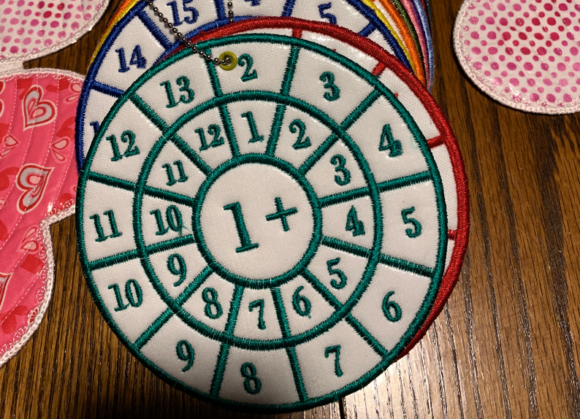
When the Addition Wheels 11–20 design hit my screen, I immediately imagined it stitched onto a cozy, oversized sweatshirt for a small shop back‑to‑school drop. The circular motif with segmented math sums feels friendly, not like a worksheet but like a playful badge of learning. The description calls it “bright and cheery,” and that’s exactly the mood I want to capture for a boutique brand that sells handmade kids’ clothing. On a sweatshirt, this isn’t just an educational graphic — it becomes a conversation piece that parents love and kids feel proud to wear.
The layout has a natural center‑focused balance, with numbers and addition symbols radiating around a core. This symmetry makes it immediately suitable for chest or back embroidery placements. There’s enough open space inside the wheel to prevent a cluttered look, and the arrangement hints at movement, as if the wheel is spinning with each sum. I can already see how the machine embroidery design will translate into a tactile, slightly raised finish that adds a premium feel to any blank garment.
Why Addition Wheels 11–20 Works for a Limited Sweatshirt Drop
For my boutique project, I’m planning a series of sweatshirts that mix education with everyday style. Addition Wheels 11–20 fits perfectly because it hits that sweet spot between playful and decorative. It’s not overly cartoonish, so it appeals to parents who want a minimal, cute look, yet it’s colourful enough to catch a child’s eye. I can picture this on neutral oatmeal or heather grey French terry, where the thread colours will pop without screaming classroom decor. The design also carries a nostalgic, almost vintage schoolhouse charm that aligns with today’s rustic and handmade product trends.
From a branding perspective, a design like this helps a small shop stand out on Etsy or at local markets. It tells a story: learning is fun, fashion is personal, and every piece is crafted with care. When a customer sees Addition Wheels 11–20 embroidered on a soft hoodie, they’re not just buying a garment — they’re inviting math positivity into their child’s wardrobe. That emotional hook is gold for a boutique brand building trust and repeat buyers.
Evaluating the Embroidery Personality of Addition Wheels 11–20
One of the first things I assess as a designer is how a flat art file will behave under the needle. With Addition Wheels 11–20, the segmented wheel suggests several colour changes, but the structure is repetitive and geometric, which usually means stitch‑friendly paths. The “bright” colours hinted at in the description will likely translate into high‑contrast threads against dark sweatshirts, creating a crisp, almost dimensional look. On pastel hoodies, I’d expect a softer, more blended appearance while still keeping that cheery vibe.
I’m particularly drawn to the idea of using a satin stitch border around each section of the wheel, which would give the finished product a polished, badge‑like edge. The numbering and symbols need to be clear at wearable sizes, so I’d test the stitch density carefully. Too dense and the fabric might pucker; too light and the numbers could lose their shape after washing. The design’s circular flow also encourages me to experiment with a decorative centre — maybe a tiny star or a contrasting circle — if the digital embroidery file allows easy editing.
Placement Ideas: Chest, Sleeve, and Back Designs
When I mock up Addition Wheels 11–20 for my sweatshirt collection, chest placement is the obvious starting point. A 3.5‑ to 4‑inch hoop size on the left chest gives a crisp, boutique‑logo feel that works for both kids and adult unisex sizing. For youth hoodies, scaling the design slightly larger — around 5 inches — makes it a true focal point without overwhelming the garment.
Sleeve accents are another clever option. A smaller version of the wheel, perhaps 2 inches, embroidered near the cuff of a raglan sleeve, adds a subtle, handmade detail that photographs beautifully in lifestyle product shots. I could even rotate the design slightly on the sleeve for a dynamic angle. For a bold back design, centering Addition Wheels 11–20 across the upper back of an oversized hoodie creates a statement piece that feels both scholarly and streetwear‑inspired. Pairing it with a simple text arc like “Learn & Play” above the wheel would elevate it further for a cohesive boutique release.
Colour Contrast and Thread Choices for Different Fabrics
My boutique sweatshirt collection will include three base colourways: charcoal heather, dusty rose, and cream. For the charcoal, I’d pick neon‑bright thread colours — lime green, electric blue, hot pink — to make Addition Wheels 11–20 jump off the dark fabric. On the dusty rose, a palette of coral, mint, and warm yellow maintains the feminine, cosy vibe without losing the design’s playful energy. The cream sweatshirt is the most versatile; I can use true primary colours for a classic back‑to‑school look or go pastel for a softer, nursery‑inspired aesthetic.
Thread sheen matters too. A rayon thread will give the sums a subtle lustre that catches light in product photography, while a matte polyester thread feels more casual and durable. I always test a few stitch‑outs on fabric swatches similar to my actual blanks, paying attention to how the light areas interact with the fabric texture. Fleece‑backed sweatshirts can swallow delicate details, so the segmented wheel’s clearly defined sections should hold up well, provided the stabilizer is right.
Stabilizer and Hoop Considerations for Flawless Stitching
No matter how pretty the artwork, a sweatshirt embroidery project lives or dies by the stabilizer choice. For Addition Wheels 11–20, I plan to use a medium‑weight cutaway stabilizer on my knit blanks, along with a water‑soluble topper if the fleece is particularly plush. The topper prevents stitches from sinking and keeps the wheel’s numbers crisp. I’ll float the sweatshirt on a magnetic hoop for precise placement, especially if I’m doing multiple garments for a limited run.
Before committing to a full production batch, I always run a single test. I’ll stitch Addition Wheels 11–20 at the intended hoop size, wash it three times, and check for thread breaks, distortion, or any pulling around the small numbers like the “11” or “20”. The design’s description mentions classroom use, but that doesn’t guarantee it’s been digitized for soft apparel. Every embroidery file reacts differently, so I urge fellow Etsy sellers and small shop owners to check the digitizer’s notes on stitch count, recommended hoop size, and fabric compatibility before production.
Impacting Boutique Brand Value with the Right Embroidery
Adding a custom embroidered Addition Wheels 11–20 sweatshirt to my shop instantly lifts the perceived value of the product. Handmade embroidery signals care, slow fashion, and uniqueness — qualities that boutique customers actively seek. When a parent sees the tactile, textured wheel on a hoodie, they understand it’s not a mass‑market print. That perception allows me to price the garment at a premium, which in turn supports better materials and sustainable packaging for my small business.
This design also works as a unisex, back‑to‑school staple. It’s not tied to a specific holiday, so it can sell through autumn and beyond. I can bundle it with matching beanies or tote bags to increase average order value. The cohesive look strengthens brand identity, and customers start associating my label with high‑quality, educational‑inspired children’s apparel. Visual recognition grows when every piece in the collection shares a consistent embroidery style — and Addition Wheels 11–20 delivers that with its clean, repeatable circular shape.
Mockup Magic: Photographing Addition Wheels 11–20 for Etsy Listings
I rely heavily on realistic mockups for my online shop, and Addition Wheels 11–20 photographs beautifully. On a flat‑lay image with scattered wooden numbers and a handful of crayons, the embroidered wheel becomes the hero of the scene. The bright thread colours stand out against neutral bedding or a rustic wood table, instantly conveying the back‑to‑school theme. For in‑context shots, I’ll have a child model wearing the sweatshirt while holding a chalkboard — the embroidered wheel ties the entire story together without feeling forced.
When I list the item on Etsy, I’ll use the listing title to include keywords like “Embroidered Math Sweatshirt,” “Addition Wheels Hoodie,” and “Back to School Custom Embroidery.” The description will highlight the stitch density and thread colors I chose, as buyers want to know it’s durable. I’ll also mention that I used a high‑quality digital embroidery file to ensure clean, even stitches, which reassures customers about the garment’s longevity.
Washing Durability and Long‑Term Wear
A boutique sweatshirt must survive real life — playgrounds, washing machines, and countless trips through the dryer. I test every design mercilessly. For Addition Wheels 11–20, I’ll run the stitched garment through five cold washes with mild detergent, turning the sweatshirt inside out each time. I expect the design to hold its shape because the individual wheel sections are short stitch runs, which reduces friction and thread wear. The colourfastness of high‑quality thread should keep the bright and cheery palette intact, but I always recommend air‑drying embroidered garments to preserve the thread sheen and prevent shrinkage mismatch.
If the stitch density is too high in the small addition symbols, there’s a risk of the fabric feeling stiff around the embroidery. That’s a dealbreaker for children’s apparel. I’ll manually check the digitized file’s density map if possible, or ask the seller about it. A slightly less dense fill with a softer backing iron‑on stabilizer can keep the sweatshirt pliable and comfortable — exactly what I want for a cosy everyday hoodie.
Commercial Embroidery Viability for Small Shops
One of my biggest concerns with any new design is whether it can handle a small production run without frequent thread breaks or re‑hoops. Addition Wheels 11–20 appears to be a clean, closed‑shape design, which often means fewer trims and jumps. That efficiency matters when I’m stitching ten hoodies for a holiday market. A well‑digitized version of this machine embroidery design should run smoothly on a single‑needle or multi‑needle machine, provided I use the proper needle and thread combination for knits.
However, I always remind fellow crafters that not all embroidery files are created equal. The provided description gives us the fun intent but stops short of technical specs. Before purchasing, confirm the file types, hoop size requirements, and any commercial use allowances if you’re selling finished goods. A quick message to the digitizer can save hours of frustration and wasted blanks.
Final Design Notes Before Stitching the Addition Wheels Collection
After all this evaluation, Addition Wheels 11–20 earns a solid spot in my boutique sweatshirt lineup. It’s cute without being juvenile, educational without being textbook‑ish, and versatile enough to morph between bold and minimal depending on fabric and thread choices. The circular badge structure makes it easy to pair with other text‑based designs or to use as a standalone statement. For a small shop owner like me, it’s the kind of design asset that can define an entire back‑to‑school capsule.
If you’re an Etsy seller or handmade business considering this design, I strongly recommend testing it on a variety of sweatshirt blanks — French terry, fleece, even cotton‑faced performance knits. Pay attention to hoop placement, stabilizer layers, and the small inner details that bring the wheel to life. With the right finishing, your finished products will look every bit as premium as the big‑box brands, but with the irresistible charm of a boutique creation stitched by someone who truly cares.