Elephant Font PQR: An Embroidery Designer’s Honest Take
When a new embroidery font lands in my digital library, I never trust the preview alone. A font can look playful on screen and turn into a dense, thread-heavy mess once it touches cotton or canvas. Elephant Font PQR promised a lot: the name hinted at a friendly, childlike charm, and the product note suggested it would make personalization simple. I decided to test it exactly how many of my small-shop clients would — on a natural canvas tote, custom-lettered for a boutique’s fall collection. What I walked away with was far more than a first impression.
The First Glance Told Me Everything About Its Mood
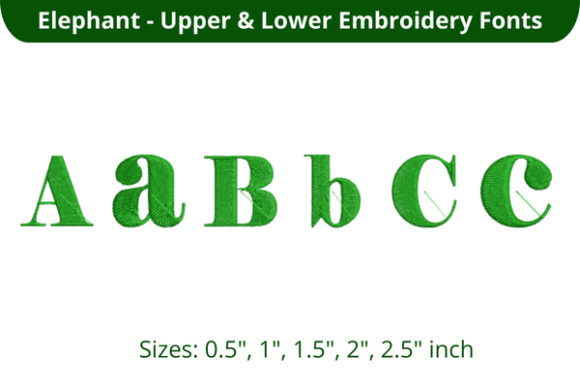
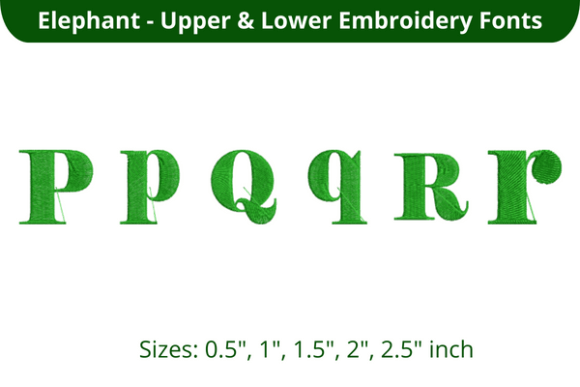
Opening the elephant font PQR embroidery file, the digitized characters immediately felt warm and approachable. The letterforms carry a gentle, rounded quality, as if drawn by a favorite teacher on a chalkboard, but with subtle elephant-inspired ears peeking from certain uppercase shapes. That playful detail is what separates a generic script from a true personality font. For a machine embroidery design built around names, dates, and short quotes, this balance of legibility and whimsy is crucial. The stitches appeared well-planned: clean running stitches outlining each letter, with modest satin stitch fills that wouldn’t overwhelm lightweight fabric. The overall silhouette reminded me of hand-printed picture books, which immediately placed it in nursery decor, back-to-school gear, and small gift lines.
I loaded the file into my software and did what every experienced stitcher should — I ran a simplified stitch simulator on a 4x4 hoop. The lowercase ‘g’, ‘y’, and ‘p’ descenders stayed crisp, and the elephant-themed uppercase ‘E’ held its tiny ear curve without distorting. That’s a good sign for real-world sew-outs where fabric movement can blur delicate details.
Testing Elephant Font PQR on a Back-to-School Canvas Tote
A local children’s boutique asked me to create a sample line of personalized book bags — sturdy cotton canvas totes with each child’s name large across the front, using a machine embroidery design that felt nostalgic but fresh. Elephant Font PQR seemed made for this exact project. I hooped medium-weight canvas with a cutaway stabilizer and threaded a muted mustard yellow on top, plum bobbins beneath, aiming for a look that was gender-neutral and earthy.
Stitching out the name “Eloise” let me examine how the letters connected visually without physical connecting stitches — a common trick in quality digitizing. The satin stitch widths stayed even, no pull on the fabric, and the elephant ear curl on the capital E came through beautifully. On canvas, that subtle elephant detail gave the bag an instant personality. I tested “Theo” next on a soft sage green tote, and the smaller lowercase letters still felt rounded and clear, even from arm’s length. The stitch density felt appropriate for a tote that will see playground dirt, lunch spills, and frequent washing — tight enough to last, open enough to not create stiff, scratchy patches.
One discovery: because the font incorporates those tiny elephant motifs selectively, it doesn’t fight you on a single-hoop small project. You can comfortably fit a seven-letter name inside a 4x4 hoop without resizing, assuming you’ve checked your specific embroidery file dimensions. That’s a practical win for anyone selling custom tote bag design sets or last-minute gifts.
Where This Font Truly Belongs
Every embroidery font has a home. Elephant Font PQR feels born for Back To School projects: personalize backpacks, pencil pouches, reusable snack bags, and sweatshirt cuffs. The friendly shape also works beautifully on baby items — think muslin swaddle blankets with a single initial, or a nursery pillow cover with a short affirming quote. Because the elephant motif hints at memory and gentle strength, the font carries emotional weight perfect for personalized gift lines: embroidered keepsake patches, wedding favor handkerchiefs, or memorial ornaments.
For small shop product creators who rely on repeatable, efficient stitch-outs, Elephant Font PQR simplifies production. I ran twenty individual names across different tote colors without a single thread break or misalignment, once my hooping technique was dialed in. That consistency matters when you’re an Etsy seller facing a seasonal rush and can’t afford to frog stitches for a missed letter.
Proceed With Care: Small Hoops, Dark Fabrics, and Curves
This isn’t a one-size-fits-all font. The elephant-themed uppercase letters, while charming, contain delicate satin curves that can close up on high-pile fabrics like fleece or terry cloth. If you’re planning a baby embroidery project on a plush hoodie, test the design on scrap first using a water-soluble topper to keep the ear detail from sinking into the texture. On very dark fabrics — charcoal sweatshirts or navy caps — the playful details may lose contrast, so I recommend a lighter thread color or a tonal metallic for visibility without losing the soft mood.
Curved surfaces, especially structured caps or small-brim hats, require extra attention. The lowercase letters sit at a slight handwritten angle, and when mapped onto a cap’s arc, certain characters (like ‘s’ or ‘a’) can appear tilted farther than intended. I use basting spray and a stable cap hoop to maintain placement. For slim stretchy fabrics like thin jersey tees, underlay a no-show mesh stabilizer to prevent the text from puckering after wash cycles.
One more note for those using a very small hoop: the elephant ear detail on the capital P, Q, and R — the very letters in the font name — demands a minimum letter height to translate. I found that keeping letters above 1.5 inches preserved the motif. Below that, the satin stitch started to blur the tiny ear notch, and you’d lose the signature whimsy that makes Elephant Font PQR stand out.
How Elephant Font PQR Lifts a Handmade Brand
As someone who critiques embroidery daily, I watch how customers react to finished pieces. When I showed the tote samples at a local makers’ market, parents gravitated toward the elephant detail. They’d trace their finger over the stitched ear and smile — that tactile, emotional response is what turns a $20 tote into a cherished keepsake. For a craft business trying to differentiate from mass-produced screen-print fonts, Elephant Font PQR offers a hand-drawn, storybook quality that photographs well for Instagram listings and printable mockup previews. I’ve already used photos of the “Eloise” tote as design assets for the boutique’s website, and the organic shape pulls engagement.
Brand consistency also benefits: once you adopt this font for a signature product line — say, the shop’s annual back-to-school bundle — it becomes part of your visual identity. Customers begin to recognize the gentle lettering and associate it with your quality. That’s valuable real estate on a crowded marketplace.
Designer Notes to Stitch By
Before you load this embroidery file onto your machine, here’s my checklist from testing:
- Stabilizer is everything. Cutaway for woven fabrics like canvas; tear-away for stable cottons; water-soluble topper on anything textured.
- Thread color contrast matters more than you think. Test black-on-cream and cream-on-black mockups to see how legibility shifts.
- Check your stitch density in software. The satin segments in the elephant ears are well-digitized, but if your machine runs hot, a slight density reduction can prevent stiff ears.
- Hoop size verification. Always confirm the design’s exact dimensions in your file — do not guess from the screen preview.
- Small-detail inspection. On a scrap run, look at the elephant ear curves under bright light before committing to a final product.
- Licensing review. While Elephant Font PQR appears built for commercial embroidery projects, confirm the license terms for selling finished items or digital file bundles. Never assume.
- Wash test your final. I ran the tote through three gentle cycles; the letters held shape and color with no fraying.
These steps aren’t extra — they’re what separate a professional embroidery project from a hobbyist’s gamble. When your customer opens a package and sees crisp personalized text, they won’t think about your prep work, but they’ll feel the difference.
My Gut Decision on Elephant Font PQR
I’ve stitched out hundreds of embroidery fonts, and few marry whimsy with practical wearability this well. Elephant Font PQR doesn’t try to be a formal serif or a sleek script; it owns its storybook corner. For a handmade product line targeting children, teachers, or sentimental gift-givers, this font is a quiet hero. Yes, it asks you to respect its sweet spots — keep it above 1.5 inches, choose smooth fabrics when you want the elephant details to shine, and always test your hoop tension. But reward that attention, and you’ll have a font that personalizes everything from a sweatshirt embroidery order to a last-minute holiday towel with genuine warmth.
If your craft business needs a signature all-purpose lettering style for the upcoming Back To School season, I’d place Elephant Font PQR high on your test list. Stitch it slow, watch the tiny ears curl up, and then consider how many lunch bags, pencil cases, and nursery wall hangings are waiting for exactly that gentle touch.