First Grade Embroidery Design Review for Small Business Merch
Every now and then, an embroidery file lands on my stitch test pile that immediately sparks a dozen commercial ideas. First Grade is one of those designs. At first glance, it feels playful and familiar — the kind of lettering that would look right at home on a child’s backpack or a classroom tote bag. But as a professional embroidery designer who regularly works with small businesses, I see far more potential here. If you run a café, a handmade studio, a bakery, a boutique, or any brand that wants to add a touch of warmth and personality to its merchandise, this machine embroidery design deserves a close look.
In this review, I’ll walk you through my real-world assessment of First Grade as a business asset. I’ll cover how it performs on embroidered patches, caps, aprons, and tote bags, what to watch out for during production, and how it can influence brand identity — because for a small business, every stitch counts.
A First Impression That Feels Both Playful and Professional
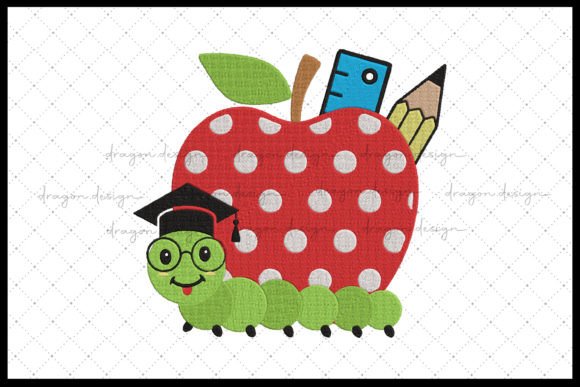
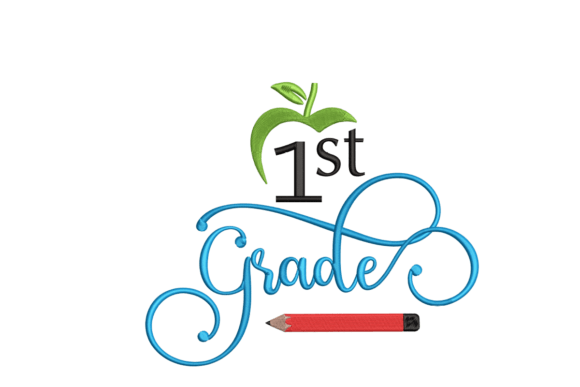
What hits you first about First Grade is its friendly, school-inspired personality. The letter shapes have a slight handwritten rhythm, but they’re cleaned up enough to look intentional rather than messy. Based on the title and description, this design carries a nostalgic Back To School mood. For a business, that translates into a style that can feel handmade yet tidy, approachable yet structured. I wouldn’t call it rustic or elegant — it’s more in the sweet spot between decorative and functional. That makes it incredibly versatile for small business merch.
If you’re a children’s product brand, a learning center, a bookstore, or even a pet supply shop that wants a softer visual tone, this design could become a signature mark. The fact that it is described as fun and easy to stitch immediately tells me the digitizer likely kept stitch density reasonable and the shape clean — something I always test thoroughly before committing to a client order.
How First Grade Performs in Real Business Use
I don’t evaluate any digital embroidery file just by how it looks on a screen. I imagine it in action — on products, in stores, and on customers. First Grade shines in multiple commercial embroidery projects.
Embroidered Patches for Branded Merchandise
Businesses love embroidered patches because they’re durable, collectible, and can be applied to almost anything. If I were creating a patch using First Grade, I’d stitch it on a firm twill backing with a merrow border. The design’s clean, bold lettering means it will read well even at a reduced patch size — around 2.5 to 3 inches wide. I could see a children’s boutique selling these as iron-on patches on jean jackets, lunch boxes, or canvas pouches. The playful school theme could tie into customer loyalty programs: spend a certain amount, get a limited edition First Grade patch. It’s the kind of small business merch that builds emotional connection.
Staff Uniforms and Apron Embroidery
For a café or bakery, aprons are walking billboards. First Grade would work beautifully as a chest accent on a bib apron, replacing a traditional logo with something more conversational. Because the design evokes learning and new beginnings, it could suit a coffee shop that hosts story time for kids or a bakery that donates to school fundraisers. The stitch density must be checked carefully here — an apron often bends and creases, so overly dense stitching can become uncomfortable or distort over time. I always advise clients to stitch this kind of design on a separate patch first, then attach it to the apron, which also gives a premium custom apparel look.
Caps, Tote Bags, and Everyday Carry Items
Cap embroidery is notoriously tricky. The curved surface and structured panels demand designs that are simple, well-proportioned, and not too wide. First Grade, with what appears to be a compact letter-based layout, could sit perfectly on the front of a snapback or a dad cap. I’d recommend testing the design at a width no larger than 2.2 inches for most cap fronts to avoid distortion. On a tote bag, however, this design can go bigger. A natural canvas tote with First Grade embroidered in a muted thread color would sell effortlessly in a boutique or craft business. It’s the kind of item that feels like a thoughtful customer gift or a low-cost upsell at the register.
Where You Need to Stitch with Caution
Not every fabric or product is ready for any embroidery file, and First Grade has some limitations that every small business should respect.
First, if the design contains tiny lettering or thin outlines — common in school-themed lettering — those details can close up on textured fabrics like fleece, terry cloth, or loosely woven linen. I always test on the exact fabric the client intends to use. Second, dark uniforms and dark tote bags demand high contrast thread colors; a design that looks crisp on white can disappear on navy or black. I advise testing in black and white first to check clarity. Third, small patch sizes under 2 inches might lose the playful character of the typography. Always stitch out the design at multiple scales before finalizing an order. Fourth, items that undergo frequent washing, like everyday work shirts, need a stabilizer strategy and possibly a softer stitch density to prevent thread breakage over time.
How First Grade Shapes Brand Identity and Customer Trust
For a small business, embroidery is never just decoration. It’s a visual handshake. First Grade carries an emotional message — something about growth, beginning, and approachability. When a boutique places this design on a product label or a tote bag, it tells customers the brand is warm, genuine, and perhaps a little nostalgic. That consistency across all design assets helps build recognition. A customer who receives a beautifully embroidered item with a consistent style is more likely to remember the shop, return, and even show it off on social media.
I’ve seen handmade brands transform their entire presentation by switching from printed tags to embroidered product packaging accents. Imagine a craft business using First Grade as a small stitched label on the corner of a quilt, a fabric bin, or a reusable produce bag. It instantly elevates the finished product. The perceived value goes up, and so does customer trust. People equate embroidery with craftsmanship and care — two things every small business wants to project.
Practical Embroidery Designer Notes for Your Production Workflow
Before you commit this design to a full production run, here’s my standard checklist — refined over years of digitizing and stitching for commercial clients.
- Test in black and white first. Check the balance of positive and negative space. If the lettering becomes blurry or loses its shape without color, rethink thread color contrast or stitch density.
- Check performance at small patch size. Scale the machine embroidery design down to the smallest size you plan to use and stitch it out. Watch for thread loops, pulling, or lost details.
- Review thread color contrast. Dark thread on dark fabric never works. For the friendliest vibe, match thread colors to your brand palette and always order a few extra spools.
- Inspect spacing. Look closely at the gaps inside letters like ‘e’ and ‘a’. If the digitized file fills those in too much, your finished product will lose readability.
- Confirm hoop size. The product description mentions the design comes with multiple embroidery files, but it doesn’t specify exact dimensions. Measure before you order, and ensure your machine can handle the file formats included.
- Test on real fabric. A stitch-out on cotton twill won’t tell you how the design behaves on a thick canvas tote or a knit cap. Use the same material, backing, and topping that you’ll use in production.
- Use proper stabilizer. For caps, a heavy cutaway stabilizer with a water-soluble topping works best. For apron patches, I prefer a medium tear-away with a second layer of mesh stabilizer. Don’t guess; test.
- Create a printable mockup for client approval. Before you stitch a single item, show the client a photo mockup on the actual product. This prevents costly misunderstandings about size, placement, and thread color.
- Compare it beside other design assets. If you plan to use First Grade as part of a larger collection, stitch it next to your other embroidery files to confirm visual harmony. The different lettering styles shouldn’t clash.
- Confirm commercial licensing. Since the provided information doesn’t outline specific license terms, always verify with the digital embroidery file source that you can use the design on products for sale. Never assume.
Real-World Scenario: A Small Business Patch Project
Let me paint a picture of how I’d use First Grade for a client. Imagine a local florist named “Little Bloom” who wants an embroidered patch to stitch onto jute gift bags. The owner loves the idea of a schoolhouse style because her grandmother was a teacher. I’d propose using First Grade with the shop name digitized in the same playful lettering, centered above a simple floral motif. The patch would be around 3 inches wide, stitched on twill with a soft sage green thread on an unbleached cotton background. At the shop, every bouquet wrapped in a bag gets that small embroidered touch. Customers start collecting the bags, posting them online, and suddenly the florist is known for something beyond flowers. That’s the power of a cohesive handmade product identity.
For an Etsy seller of hand-poured candles, First Grade could become the embroidered tag sewn into the muslin pouch that holds the candle. It’s small, it’s memorable, and it makes unboxing feel special. For a creative studio offering craft kits, the design could appear on the kit bag itself — a permanent reminder of the brand’s educational, hands-on philosophy. In every case, the embroidery design isn’t just a pretty decoration. It’s a quiet sales tool that reinforces the brand every time someone sees the finished product.
The Subtle Art of Stitching for Brand Loyalty
As an embroidery designer, I’ve learned that the most successful small business merch doesn’t shout. It whispers. First Grade works for exactly that reason. It isn’t loud or aggressive. It feels like a kind note, a teacher’s encouraging smile, a memory of something simple. That emotional resonance can transform a plain tote into a daily companion and a work shirt into something the wearer is proud to put on. For handmade brands, Etsy sellers, and boutique owners, this machine embroidery design delivers more than stitches — it delivers an experience.
Still, I always remind my clients: a good embroidery file is only half the story. Your stabilizer, thread choice, fabric, and hooping technique determine the final outcome. Test thoroughly. Stitch slowly when needed. And never underestimate the value of putting First Grade through your own rigorous approval process before a single item goes to a customer. A design that’s fun and easy to stitch can become a long-term business asset when handled with professional care.
If you’re building a brand around community, education, family, or simple joy, First Grade belongs on your design shelf. It might just become the tiny embroidered detail your customers remember most.