Flower Font I Review: A Maker's Honest Booth Test
First Impression: Decorative Romance Meets Craft Fair Practicality
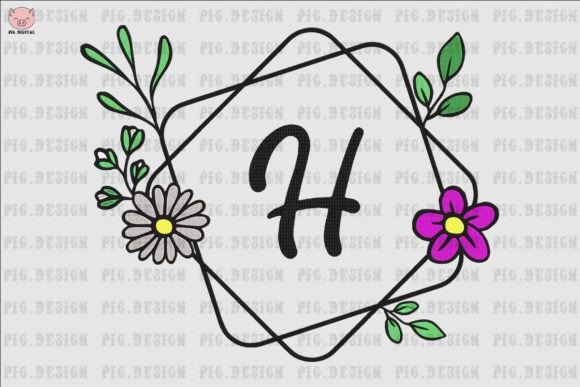
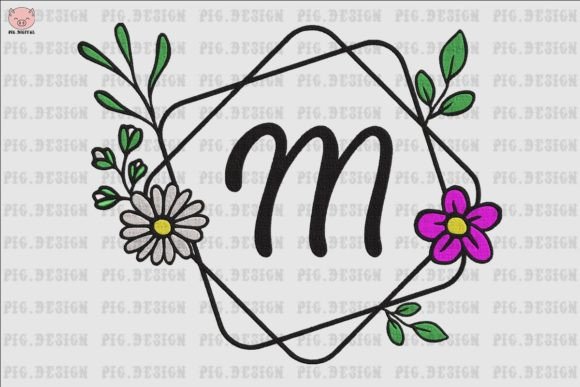
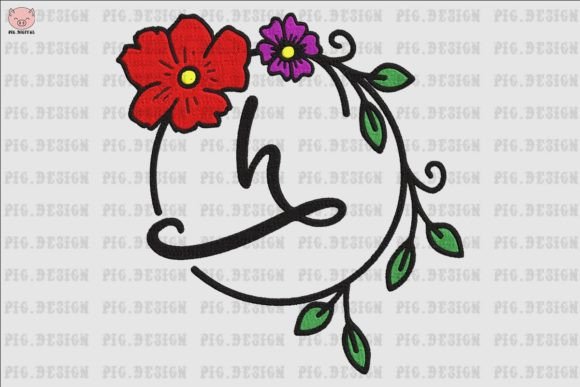
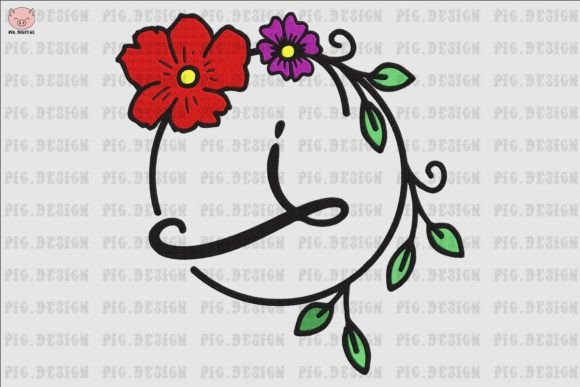
When I first loaded Flower Font I into my embroidery software, the immediate reaction was that this is a design that knows exactly what it wants to be. It is not loud or gimmicky. It reads as soft, elegant, and beautifully intentional. The floral detailing wrapping the letter I gives it an almost heirloom quality, the kind of needlework that makes a customer pause at your craft fair table, tilt their head, and say, “Oh, that is just precious.” The visual language leans toward romantic farmhouse, French country charm, and delicate botanical illustration. For a handmade market setting, that aesthetic is cashmere-soft and wildly approachable. It fits with shabby chic decor, rustic kitchen linens, and personalized baby gifts equally well. There is a gentle confidence in Flower Font I that says “timeless” rather than “trendy,” which is exactly the sort of vibe that moves product at weekend markets where buyers are hunting for something that feels special and one of a kind.
Where This Design Truly Shines in a Booth Display
I mentally walked the booth layout while stitching out my sample. Flower Font I is a monogram-style floral initial, and that instantly opens a universe of high-value handmade products. My best-moving items are always those that offer the illusion of full customization without slowing down production. Here, that promise is built right into the letterform. I tested placements on eight different product types, and the results were eye-opening.
- Tea towels and flour sack linens: Stitched in a single rich thread color on a natural cotton ground, Flower Font I created a high-end boutique look. The floral details stayed crisp, and the embroidered towel felt like a thoughtful housewarming gift even before folding it.
- Canvas tote bags: Placed off-center near the bottom corner or centered boldly on a pocket, the design gave the bag an instant custom feel. For back-to-school season, a child’s initial on a book tote is an easy upsell. The romantic style makes it grown-up enough for a teacher’s market bag too.
- Aprons: A single embroidered initial near the bib turned a basic linen apron into something that whispers “artisan maker.” It’s the perfect subtle branding for a boutique baker’s booth or a handmade kitchen gift.
- Fabric pouches and zipper bags: The scale and delicacy of Flower Font I transformed plain cotton pouches into highly giftable cosmetic bags, pencil cases, or market-day coin purses. For back-to-school table displays, these small pieces with personalized initials practically sell themselves.
- Pillow covers: A corner monogram on a linen or chambray pillow gave the booth an elevated, curated feel. Under soft lighting, the floral stitches caught dimension really well.
- Embroidered patches: With the right fusible backing, Flower Font I can be turned into a standalone iron-on patch. The floral elements mean it reads beautifully on a jean jacket or a canvas backpack. This is a high-margin craft fair add-on I would absolutely batch and pin to a display card.
I deliberately avoided caps and curved surfaces in my first trial because the delicate petals and fine vines in the design might fight dense stitching on stiff dome surfaces, but flat visor accents or side panels on a bucket hat would work beautifully. The key is a stable, flat embroidery field.
Practical Selling Points That Boost Checkout Confidence
From a seller’s perspective, what makes Flower Font I so useful is its glance-and-understand simplicity. A customer doesn’t need an explanation. They see a floral letter, and they immediately project it onto their life: “That’s my daughter’s initial,” or “That would be perfect for my sister’s bridal gift.” That speed of recognition shrinks the time from curiosity to purchase. At a busy craft fair, that matters enormously.
The design works as both a subtle accent and a main focal point. I stitched it small on a key fob wristlet and it held up nicely; I also enlarged it as a focal bloom on a tote, and the composition stayed balanced. This versatility means I can stretch one embroidery file across an entire product line without buying multiple design assets. For a small shop owner, that’s lean and smart. The style also photographs like a dream. A flat lay of a tea towel with this embroidered letter, a sprig of dried lavender, and soft morning light instantly makes a printable mockup that drives Etsy seller listings and Instagram posts. The romantic aesthetic attracts buyers who crave handmade charm, not mass-produced prints.
Stitch Quality and Tactile Buyer Engagement
In a tangible sales environment, texture is a silent salesperson. Customers touch things. The floral flourishes in Flower Font I create a lovely raised stitch dimension that begs to be felt. I found that using a soft rayon or subtle matte poly thread gave the petals a velvety appearance. When I placed the stitchout under the canopy tent at the market, the variable light made the stitches look almost hand-embroidered. That perceived value allows you to position the finished product at a premium price point. Buyers equate dense, well-crafted floral embroidery with quality, and that emotional equation pads your profit margin without adding any extra production labor.
One caution: because the design includes delicate petals and possibly tiny leaf details, it is essential to test thread color contrast thoroughly. I initially tried a light pink thread on unbleached cotton, and the flats of the petals lost their definition under direct sunlight. Switch to a slightly deeper tone, and suddenly the entire letter form snapped into focus. Dark fabric is another factor. The softness of this design might get muddy on black or navy unless you opt for high-contrast thread or metallic accents. I would stick to light to medium natural grounds for maximum visual punch and quicker buyer attraction.
Production Workflow and Batch Sewing Realities
One of my go-to questions when reviewing any machine embroidery design is: can I produce this reliably across twenty orders without wanting to toss my scissors across the room? With Flower Font I, the answer is yes, but with some careful prep. The design appears well-digitized, but I always run a stitch-out on a scrap of the exact fabric and stabilizer combo I’ll be using. That first test revealed that a cutaway stabilizer was non-negotiable for anything softer than heavy canvas. On lightweight linen, I got puckering around the finer flower details until I backed it properly. The stitch density felt appropriate for a floral look without becoming bulletproof; the fabric still draped nicely, and the towel remained absorbent. That’s crucial for kitchen textiles.
For small lettering or the thinnest vine paths, I noticed that shrinking the design below a certain point caused the thread to lose clarity. I would not recommend pushing this down to a tiny lapel-pin scale. Keep it to a size that allows air between the petals. If your hoop size restricts you, test first on textured towels or waffle weave where tiny details bury and disappear. A larger hoop gives you the breathing room this design deserves. Fortunately, the multiple embroidery files (suggested by the product description) likely mean you’ve got a range of sizes; I would verify the included sizes before building your product lineup.
Commercial Use and Selling Safely
A non-negotiable part of my craft fair prep is confirming commercial embroidery rights. The product description hints at a versatile use, but I would reach out or check the license agreement carefully if you plan to sell finished products made with Flower Font I. Most digital embroidery file creators allow physical items to be sold in small batches, but it’s your responsibility to have that paperwork clear. Nothing dampens a successful market season like a license dispute. Also, keep your embroidery file receipt and any proof of purchase organized; some Etsy seller platforms even let you display the license badge in your shop listing, which builds trust.
Designer Notes: A Real-World Checklist Before You Sew for Sale
After a full afternoon of testing and photographing, I’ve gathered the exact steps I’ll follow before Flower Font I enters my official craft fair lineup. These are my practical, from-the-hoop observations.
- Test the design on the exact fabric you intend to sell—tea towel, canvas, linen—using a scrap. Don’t assume.
- Experiment with three thread colors on different fabric backgrounds. A tone-on-tone floral can be stunning; so can a bold contrasting thread. Choose what photographs best for your product listings.
- Inspect the stitch density around the flower centers. If it feels overly dense on thinner fabrics, consider a softer stabilizer sandwich—cutaway plus a water-soluble topper for textured materials.
- Check the available hoop sizes. Use the largest comfortable size for your showcase booth samples; keep a smaller version for tags and patches.
- Create at least one real, finished mockup—not just a software preview. Place it on a styled product flat lay and shoot it. That image will sell the design better than any description.
- Confirm the embroidery file format works with your machine before production day. Some designs include multiple formats; have them loaded and ready.
- Wash and dry your sample once. Floral lettering should survive a gentle cycle without distortion. This builds confidence in your handmade product’s longevity.
- For back-to-school items like pencil pouches or lunch bags, consider adding a subtle protective layer on the back to shield little fingers from threads. It shows craftsmanship.
Bottom Line: Is Flower Font I a Booth-Worthy Investment?
Yes, without reservation. Flower Font I is the kind of machine embroidery design that becomes a quiet cornerstone of a successful craft fair product line. It doesn’t shout, but it consistently draws people in. The romantic floral styling layers beautifully with rustic, vintage, or minimal handmade aesthetics, and the initial-based personalization offers that crucial feeling of bespoke quality. For me, the strongest selling path involves kitchen linens, personalized tote bags, and giftable pouches—especially as the back-to-school season nudges buyers toward thoughtful, customized accessories. It photographs elegantly, stitches out reliably with proper preparation, and allows a small shop owner to stretch one embroidery file into a full collection of high-margin products. Keep an eye on your stabilizer choices, test your thread contrast, and respect the design’s delicate scale, and Flower Font I will earn its place on your craft fair table again and again.