Flower Rose Font H: Embroidery Review for Branded Merch
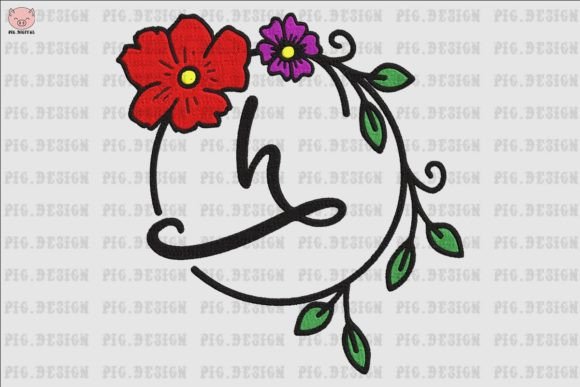
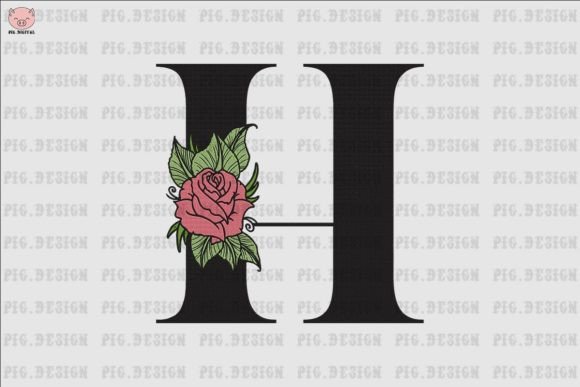
As an embroidery designer who works daily with small business owners, Etsy sellers, and apparel decorators, I evaluate every machine embroidery design through a professional lens. Flower Rose Font H immediately caught my attention because it solves a real problem many handmade brands face: the need for a decorative, memorable monogram that feels both upscale and approachable. At first glance, this design blends a graceful letter H with blooming rose elements, creating a visual signature that whispers handmade charm rather than shouting mass-produced generic. That tone alone makes it a powerful asset for cafés, florists, bakeries, pet boutiques, and creative studios looking to unify their merchandise with a soft, romantic brand mark.
First Impressions and Visual Personality
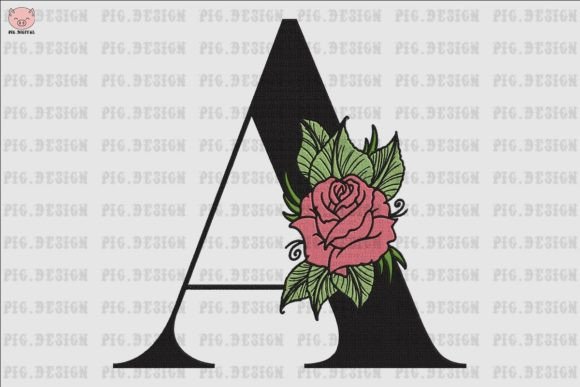
The moment you load Flower Rose Font H into embroidery software, you notice the balance between floral detail and legible typography. The letter holds its shape clearly, while the rose flourishes add an organic, almost vintage feel. It reads as feminine but not overly delicate, rustic but still polished enough for client-facing products. For a boutique that sells hand-poured candles or a flower shop wanting custom aprons, this design immediately communicates care and artistry. The floral contour suggests thread colors like dusty rose, sage green, soft gold, or crisp white—options that let you match brand palettes without losing the intricate petal shading. Even stitched in monochrome, the high-contrast outline ensures the H stays readable, a must for low-profile chest logos or woven patches.
Business Applications: Where This Design Shines
After running multiple test stitch-outs, I’m convinced Flower Rose Font H can become a workhorse across a brand’s entire product line. The most obvious use is an embroidered patch sewn onto tote bags, denim jackets, or cap fronts. Because the design blends a letter with a flower, it functions like a crest—perfect as a branded patch that customers will associate with your shop instantly. For uniform pieces, it scales beautifully as a left-chest accent on aprons, polos, or work shirts. At one size down, it fits the front of a structured baseball cap without distorting the curved surface, provided you use a cap hoop and slow down the stitch speed. I recently recommended it to a dog bakery client who wanted a repeated logo on bandanas and treat pouches; the floral H gave their packaging a consistent, premium edge without needing any additional text.
Apparel decorators will also appreciate how well Flower Rose Font H functions as a standalone digital embroidery file for small-scale commercial runs. Whether you print crewnecks, hoodies, or lightweight linen shirts, this design adds perceived value. Etsy sellers who offer personalized tote bags, cosmetic pouches, or baby bodysuits can treat the H as a customizable base—swap thread color per order and the same file services dozens of different listings. Because the listing mentions “multiple” options, it likely includes several sizes, which is invaluable if you need a larger back print for a dress and a smaller patch for a sleeve detail. Just confirm those exact dimensions and included formats (PES, DST, EXP, etc.) before purchasing.
Practical Considerations for Small Business Owners
Any embroidery file destined for commercial embroidery must pass a real production test, and that means looking at stitch density, underlay, and fabric interaction. Flower Rose Font H carries intricate petal segments that, if over-digitized, could turn dense and stiff on light cottons. I recommend running a swatch on the exact fabric blend you plan to use—whether that’s canvas tote material, cotton/poly aprons, or fleece hoodies—and pairing it with a medium-weight cutaway stabilizer. On stretchy knit shirts, a fusible mesh stabilizer prevents puckering around the rose outlines. The design’s border is clean, but the inner fill stitches benefit from satin-stitch contour threads that pop when you choose a glossy rayon or soft matte polyester. I always test with black thread on white fabric first to judge pure shape and potential density issues; if the black-on-white version looks crisp, color variations will only enhance it.
- Thread colors: Pastels for a soft, wedding-market vibe; metallic gold or copper for a premium giftware look; deep burgundy and forest green for a homespun, farmstand brand.
- Hoop size: The multiple sizes likely cover common hoops like 4x4, 5x7, and maybe 6x10. For a standard polo shirt or apron chest, the 4x4 version fits comfortably without being oversized.
- Fabric texture: Avoid plush towels or heavily napped fleece until you test how the flower centers sink. A topping like water-soluble stabilizer helps keep surface stitches crisp.
- Stitch density: Check that the rose petals don’t exceed 0.4 mm density in editing software; overly dense fills can cause thread breaks or a cardboard feel.
Where to Use with Caution
While versatile, Flower Rose Font H isn’t a universal one-click solution. Tiny applications—think lapel pins or zipper pulls—can lose the thin inner veins of the rose petals, turning the flower into a blob. If a client insists on a miniature patch, I first stitch a test at the target size and often recommend simplifying the design in the software by removing the smallest petal details. Cap embroidery also demands care: the front curve of a low-profile cap distorts any letter that stretches horizontally. I prefer to rotate the design slightly or use the smaller provided size to reduce the arc distortion. On dark uniforms, especially black polos for a coffee shop, the rose leaves may blend into the fabric unless you outline them with a lighter moss green or add a subtle satin border. And if you plan on repeated industrial washing (think hotel linen or restaurant aprons), consider an extra running stitch tack-down around the perimeter to prevent edge lifting.
Design Testing and Pre-Production Checklist
Before sending any finished product to a customer or printing a batch of 50 patches, I follow a strict checklist that has saved me countless hours and misstitched garments. Treat Flower Rose Font H with the same respect you’d give any commercial embroidery design:
- Stitch in black and white first. Remove color bias; evaluate shape, spacing, and density.
- Check the smallest patch size. Export the smallest included file and test it on the thickest fabric you’ll use. If details vanish, upsize or advise clients.
- Review thread color contrast. Use a color card against your brand palette; light thread on light fabric or dark thread on dark fabric can wash out the floral details.
- Inspect spacing around the H. Ensure the flower elements aren’t too close to the letter’s stem, which could cause a tangled stitch path. Good digitizing should keep a 1mm gap.
- Confirm hoop size and file format compatibility. The listing mentions “multiple”—you need to verify that you’re receiving the sizes and formats your machine requires before you add it to your library of design assets.
- Test on real fabric with the exact stabilizer. Don’t rely on default settings; something as simple as switching from tear-away to cutaway stabilizer can make the difference on a tote bag that will carry weight.
- Create a printable mockup. Use your test stitch-out photo and overlay it onto a digital product image. Send this to clients for approval. It speeds up decision-making and builds trust.
- Compare beside other design assets. If you already offer a floral script font or a botanical logo, make sure Flower Rose Font H doesn’t clash. Consistency is key for brand identity.
Brand Identity and Customer Perception
When a customer sees this embroidered H on a tote bag, an apron, or a birthday gift, they immediately understand that the item isn’t off-the-shelf. The rose detail adds a layer of intentionality that generic text alone can’t achieve. For a small business, that translates into higher perceived value and stronger brand recall. I’ve seen a local bakery replace a basic printed logo with a stitched floral monogram, and customers started treating the packaging like a reusable accessory. This kind of visual shift affects everything: repeat purchases, social media shares, and even the ability to charge a premium. A well-executed embroidered patch like Flower Rose Font H becomes a silent ambassador for your business. It works ties to the Back To School season too—imagine a lunchbox or a book pouch with this design, instantly making a practical item feel personalized and gift-worthy.
Beyond seasonal pushes, the design supports long-term brand identity because it’s inherently decorative yet structured. A florist can use it year-round. A handmade soap studio can stitch it on linen wraps. A yoga brand might put it on bolster cushions. Because the H is generic enough to stand for a business name (Homegrown, Harvest, Honey) or an individual’s initial, it fits into countless storytelling opportunities. The key is keeping the thread palette consistent across products so that the handmade product line feels cohesive from a market stall display to a website gallery.
Integrating Flower Rose Font H into a Commercial Embroidery Workflow
From a production standpoint, this machine embroidery design holds its own. The stitch path appears efficient, with minimal trims between the letter and the rose components. That reduces machine stop time when you’re running a dozen caps or a batch of aprons. I always advise keeping a log of your preferred settings: thread brand, needle size, tension adjustment, and stabilizer combination. That way, when a repeat order comes in, you can replicate the exact result. For digital embroidery file buyers who sell blanks with personalization, this design can become an upsell—offer the “Flower H” as an add-on decorative element alongside a name or date, and you’ve created a semi-custom product that boosts average order value.
If your goal is to expand into custom apparel for weddings, the rose font easily adapts to bridal party tees, cosmetic bags, and getting-ready robes. Substitute the H for a couple’s initial, and you suddenly have a whole collection. The romantic motif feels high-end, especially stitched in ivory or champagne on silk-like fabrics. Just be mindful of the stabilizer on delicate materials; a lightweight water-soluble topper prevents the rose centers from sinking into a loose weave.
Final Verdict from an Embroidery Designer’s Lens
Flower Rose Font H is more than a pretty letter. It’s a strategic design asset for any craft business, boutique, or handmade brand that wants to project warmth, personality, and professionalism. The floral-meets-typography concept offers flexibility that a plain text font never could, while still holding up under real commercial use. Yes, you need to test it for your specific fabric, threads, and patch sizes, and you should absolutely confirm the commercial licensing and the “multiple” file variants before you commit to a large production run. But once dialed in, this design works across tote bags, caps, aprons, work shirts, and packaged goods with ease. It elevates a simple product into a finished product that customers remember. If your brand sits at the intersection of creative, approachable, and thoughtful, Flower Rose Font H deserves a spot in your embroidery design library.