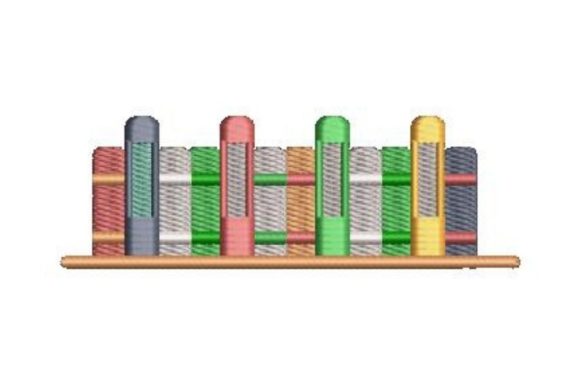
Books Lined Up on a Shelf – A Designer’s Seasonal Review
First Impressions and the Emotional Pull of Books on a Shelf
When I first opened the machine embroidery file for Books Lined Up on a Shelf, I felt an immediate wave of nostalgia mixed with cozy anticipation. The lined‑up book spines, with their neat vertical rhythm, reminded me of a quiet library corner in autumn, the week before school starts, or the gentle thrill of picking out a new read for winter break. As an embroidery designer who builds seasonal product drops, I look for that exact emotional trigger—something that can turn a simple digital embroidery file into a top‑selling handmade gift.
The decorative style here is clean but not minimalist, detailed without being fussy. Depending on your thread choices, it can read as rustic in warm woolly tones, nostalgic in faded jewel palettes, or even playful when stitched in primary brights for a young reader’s room. It doesn’t scream any single holiday, which is precisely its strength. Instead, it whispers Back To School in August, slides into cozy fall reading nook décor by October, and morphs into a thoughtful teacher appreciation gift or a literary Christmas keepsake when December arrives. That kind of seasonal fluidity is gold for Etsy sellers and small shop product lines.
Where This Design Shines in Holiday Selling Situations
At craft fairs, the Books Lined Up on a Shelf motif draws in book lovers immediately. I’ve seen stitched versions on flat‑lay display boards outperform flashier seasonal designs because they tap into identity—your customer sees themselves or someone they love in that row of books. When planning gift bundles, this design is a natural anchor.
Gift Bundles and Personalized Sets
Imagine pairing a finished sweatshirt embroidery piece with a matching bookmark or a tote bag design featuring the same bookshelf. You can add a name or a meaningful date underneath using a complementary font, instantly creating a personalized gift that feels both bespoke and budget‑friendly for the maker. For holiday gift‑ready listings, bundle the embroidered item with a favorite paperback and a woodwick candle; photograph it all on a chunky knit blanket and you’ve built an emotional scene your customers cannot scroll past.
Apparel and Home Decor Versatility
I test every new design on a small range of blanks before committing to a product line. Books Lined Up on a Shelf sat beautifully on:
- Unisex crewneck sweatshirts for family matching outfits on Thanksgiving or Christmas morning
- Canvas tote bags that sell like hotcakes at library fundraisers and book club meetups
- Kitchen towel embroidery for autumn hostess gifts (think deep orange thread on flour‑sack cotton)
- Pillow covers thrown onto a reading chair, instantly telling visitors “this is a home of readers”
- Baby onesies for bookish baby shower themes, often paired with a soft gray or sage thread
- Full‑coverage apron pockets for the cook who is never without a cookbook within arm’s reach
Because the layout is a horizontal band, it also works cleverly on narrow placements—the hem of a skirt, the cuff of a denim jacket, even a thin embroidered patch for a backpack. Just be sure you know the exact hoop size requirement before you purchase the digital embroidery file; you’ll want to confirm whether it fits your multi‑needle hoop or if you need to rotate and reposition for smaller machines.
Stitching and Production Considerations Every Maker Should Test
A beautiful design on screen doesn’t always translate smoothly to all fabric textures, and Books Lined Up on a Shelf asks you to pay attention to a few key points. The description mentions the design comes with multiple embroidery file formats and is designed to make the stitching process enjoyable—and in practice, I found that to be true on stable wovens and quality knits. But there are places where you’ll want to exercise extra care.
- Stitch density can become an issue if the book spines are heavily filled. On tightly woven quilting cotton, the result is crisp and library‑like. On a thick, nubby towel, you risk the detail sinking in and disappearing. Use a heavy water‑soluble topper for any fabric with pile.
- Thread colors: Always run a sample on both a light and a dark background. A soft cream thread that reads “vintage page” on charcoal sweatshirt fleece might look washed out on white canvas. Try a palette of chai spice, forest green, and dusty blue for a timeless holiday vibe that moves from Back To School straight into Christmas without a hitch.
- If your edition of the file includes tiny spine lettering or decorative lines, check the pull compensation. I often reduce upper tension slightly to keep delicate stems from snapping on a dense filling.
- Stabilizer matters enormously. For a sweatshirt embroidery project, a cutaway stabilizer and a light spray adhesive kept my registration dead center, even after multiple washes. For lightweight linens, a tear‑away with a temporary backing prevented puckering.
- Metallic thread can add a gorgeous holiday sparkle, but with all those parallel edges, friction builds up fast. Slow your machine down, use a metallic needle, and keep a careful eye on thread breakage. For most Etsy listings, I stick to high‑sheen rayon that photographs beautifully without the production headaches.
Marketing Strategies for Seasonal Shop Collections
One of the joys of working with a book‑themed design is how easily it becomes a chameleon for your shop’s seasonal calendar. As a designer, I map out the entire year when I decide to license a new file. Books Lined Up on a Shelf will appear in my mockup gallery wearing different palettes for nearly every quarter.
- July–August: Launch it as a Back To School staple on pencil pouches, lunch totes, and teacher appreciation tees. Use bold primary thread colors on bright canvas, and show the design next to apples and rulers in your printable mockup flats.
- September–October: Shift the palette to persimmon, gold, and warm brown. Photograph the design on a flannel pillow cover with a ceramic pumpkin. Add a spooky edition by swapping one thread color to charcoal and adding a tiny embroidered cobweb or bat in the blank space—just be sure your commercial embroidery license allows alterations.
- November–December: Go full cozy—cream, cranberry, and forest green on soft knit scarves, velvet‑backed ornaments, or a set of four napkins for a book‑themed Christmas table. Bundling four kitchen towel embroidery pieces with seasonal trims often raises the perceived value enough to double your price point.
- February–March: Tap into Library Lover’s Month or Read Across America. Offer a mini version as a zipper pouch embroidered patch; these make fantastic impulse buys at spring craft fairs.
Share your stitch‑out and finished product photos early on social media. A stop‑motion reel of the embroidery machine filling in those neat book spines, set to quiet acoustic music, consistently earns saves and shares from fellow bookworms. Those saves turn into sales when you drop the collection.
Building Buyer Trust and Perceived Value
Seasonal buyers are often gift‑hunting under time pressure. They want a handmade gift that arrives beautifully finished and looks like it’s worth more than they paid. Books Lined Up on a Shelf lends itself to that premium feel if you present it thoughtfully. Use a lint roller on every dark garment before shipping, enclose a small care card that mentions gentle washing and low‑heat ironing, and wrap the item in tissue paper sealed with a custom sticker showing a tiny book stack. Those details, combined with the design’s natural charm, earn five‑star reviews and repeat customers.
When listing on marketplaces, mention the machine embroidery design’s versatility in the title and tags. Use phrases like literary gift for teacher, book lover sweater, or cozy reading home decor. The Embroidery category alone won’t carry your listing; tie it to the emotion the finished piece delivers. And always, always confirm your commercial embroidery rights before selling finished products made from any digital embroidery file. While this design is a joy to stitch and clearly intended for wide use, the exact terms will come from your digitizer—so read that license.
Potential Pitfalls to Avoid for a Flawless Seasonal Product
I never add a design to a holiday drop without deliberately trying to break it first. Here’s what I learned when pushing Books Lined Up on a Shelf to its limits:
- Avoid stretching the fabric while hooping. The long row of books will skew and any distortion looks instantly amateurish. Lightly starch your fabric or use a basting stitch in the hoop if your machine allows.
- On deeply ribbed knits, the thin divisions between book spines can get jagged. Test on a ribbed beanie before committing to a full order. If it snags, back the area with a piece of wash‑away stabilizer on top, or switch to a less textured blank.
- Small details that look enchanting in the file preview might fill in if your machine’s calibration is slightly off. After your first stitch‑out, hold the piece at arm’s length—can you still tell it’s individual books? If not, consider slightly heavier outline thread or adjusting your machine’s fine‑tuning.
- Don’t assume every customer wants a muted, scholarly palette. Create at least one brightly colored variant for children’s gifts and show it in your printable mockup photos; that visual variety encourages shoppers to imagine the piece in their own life.
Final Seasonal Assessment for Makers and Shop Owners
Books Lined Up on a Shelf earns a permanent place in my studio’s seasonal rotation. Its ability to evoke the best of Back To School nostalgia, cozy autumn warmth, and heartfelt holiday giving makes it a reliable workhorse with a genuine emotional hook. The machine embroidery design comes with the promised multiple formats, making it accessible whether you run a single‑needle home machine or a multi‑needle commercial setup, and the stitching rhythm, once dialed in, is indeed an enjoyable flow—meditative even, as you watch the spines form one by one.
For the Etsy seller planning gift bundles, the crafter curating a holiday market stall, or the apparel decorator seeking a safe yet meaningful design for limited‑edition crewnecks, this file delivers consistent results and broad appeal. Respect its technical needs, experiment with seasonal thread palettes, and show it on products that invite a second glance. Once your customer sees themselves in that orderly little shelf of stories, you’ve already made the sale.