Bunny Ears S to Z: A Designer’s Seasonal Review
First Impressions: A Playful and Versatile Seasonal Font
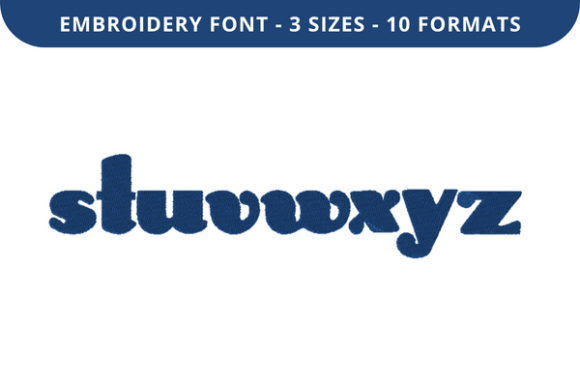
When I first opened the Bunny Ears S to Z embroidery file, I immediately saw its potential for creating whimsical, holiday-ready products that spark joy. This is not just another script or serif font—it’s a decorative machine embroidery design where each letter from S to Z features delicate bunny ear motifs woven into the uppercase forms. The mood feels instantly playful, cute, and gently nostalgic, like something you’d find in a springtime storybook or on a hand‑stitched heirloom blanket. For a seasonal collection built around Easter, baby showers, or cheerful spring decor, this digital embroidery file delivers exactly the kind of emotional softness shoppers hunt for when they’re choosing a personalized gift.
As I test‑stitched sample letters on both cotton and linen, the detail level impressed me. The bunny ears aren’t just an afterthought; they’re gracefully integrated into the letter structure, giving each character a cohesive, polished look. That kind of design consistency boosts the perceived value of any finished product. Whether you’re an Etsy seller curating a seasonal shop update or a small shop product maker preparing for a craft fair, Bunny Ears S to Z adds an instant festive, almost storybook charm that goes far beyond standard block letters. It leans into a cute, romantic aesthetic that works equally well for a baby’s first Easter onesie or a romantic spring pillow cover. The only immediate caveat? Because it’s a partial alphabet (letters S through Z), you’ll need to pair it with the companion sets A–R for complete name personalization—more on that later.
Seasonal Selling Potential: Where Bunny Ears S to Z Shines
One of the smartest moves a holiday embroidery creator can make is to invest in designs that fit multiple seasonal themes without feeling forced. Bunny Ears S to Z fits that niche perfectly. While its most obvious season is Easter and early spring, I’ve already mapped out product ideas that stretch its appeal into early summer birthdays, baby welcoming gifts, and even a lighthearted Back To School accent. Picture a child’s backpack tag stitched with their initial in these playful ears—it instantly softens the “school” vibe and turns it into a conversation piece. Still, the strongest seasonal pull remains spring celebrations, making it a go‑to for limited‑edition apparel and home decor drops.
Here’s exactly how I see this design thriving in real selling scenarios:
- Etsy listings and limited edition apparel: Use Bunny Ears S to Z to create matching family sweatshirt embroidery for Easter brunch. A mom’s sweatshirt with “Love” and the letter “S” woven with bunny ears? Instantly heart‑melting. These kinds of seasonal embroidery pieces become bestsellers when photographed in pastel palettes and styled with props.
- Craft fair displays: Quick, small‑hoop designs like a single initial on a kitchen towel or a tote bag corner become traffic stoppers. Shoppers love seeing an embroidered patch version—pendant‑like letters sewn onto a neutral linen square that they can later frame or attach to a garment.
- Gift bundles: Pair a personalized bunny‑ear initial with a matching pillow cover and a set of pastel tea towels. This kind of curated personalized gift set screams spring gifting, especially for new mothers or grandmothers.
- Social media previews: Even a simple printable mockup showing the uppercase “S” or “W” in gentle mint or ballet pink thread on a cream fabric gets instant seasonal engagement. Small shop owners who post these previews during March see a measurable spike in custom orders.
The emotional hook is clear: Bunny Ears S to Z transforms an ordinary monogram into something that feels like a tiny keepsake. That perception is pure gold when buyers are choosing handmade gift items for someone they love. The design triggers nostalgia and sweetness, making it far more “giftable” than a plain block letter. I’ve found that during holiday shopping periods, customers are willing to pay a premium for embroidery that tells a story, and these bunny‑ear letters absolutely do that.
Designer’s Practical Guide: Testing, Threads, and Fabric Success
Before I add any design to a seasonal collection, I run it through multiple real‑world tests. Bunny Ears S to Z stitches out cleanly when you respect a few key parameters, but ignoring them can lead to disappointment. Let me walk you through the performance notes that matter most for small business owners and crafters.
Thread Colors and Fabric Contrast
Always test your thread colors on both light and dark fabric swatches. The bunny ear details are most visible when there’s moderate contrast—think pale pink on grey, sage green on cream, or white on pastel blue baby pique. On very dark fabric like navy or black, the fine ear contours can disappear unless you use a bolder color such as gold or bright peach. Metallic thread should be used cautiously; the bunny ear points have stitch angles that may cause the metallic thread to fray or break more easily than standard polyester. I stick to high‑quality 40‑weight rayon or polyester thread for these delicate motifs.
Stabilizer and Hooping Tips
Because the letters have those protruding ears, the design’s stitch density varies from the main body (denser) to the tips (lighter). On stable woven fabrics like cotton canvas, a single layer of cut‑away stabilizer works perfectly. For kitchen towel embroidery or towel sets with texture, I recommend a topper plus a firm tear‑away base to prevent the bunny ear points from sinking into the pile. When working on stretchy garments like toddler tees or thin sweatshirt fleece, use a fusible no‑show mesh stabilizer to keep the letters crisp and prevent distortion after washing. I learned the hard way that skipping the topper on a thick towel resulted in a “W” that looked more like a wooded thicket than delicate bunny ears.
Hoop Size and Letter Placement
These are individual capital letters, so most will fit a 4x4 hoop—ideal for beginners. However, always confirm hoop size requirements before stitching, especially when combining multiple letters into a monogram. Using software to shrink the design below 75% can cause the bunny ear details to become too dense and messy. If you need very tiny lettering for something like a baby headband, I’d recommend exploring the smaller companion sizes rather than scaling down this particular file. For sweatshirt embroidery, I position a single letter on the left chest area or use a centered placement for a kids’ crewneck—both look balanced and professional.
Mockup Magic and Pre‑Sale Engagement
I always create printable mockup images before stitching a single order. Photograph your test stitch on a neutral fabric, then overlay it digitally onto product photos of blank sweatshirts, tote bags, or pillow covers. This lets Etsy sellers list “made‑to‑order” seasonal items without physical inventory. When I posted a mockup of the letter “Z” with bunny ears on a mint green tote bag design, it sold so fast I had to increase my embroidery queue. This design photographs beautifully, which is a huge plus for building buyer trust and converting social media viewers into customers.
Where to Tread Lightly: Fabric and Use Limitations
No design is universal, and being honest about limitations protects both your reputation and your finished products. Bunny Ears S to Z can be tricky in a few specific situations:
- Tiny hoops and extreme reduction: As mentioned, shrinking the letters too much turns the ears into blobs. Reserve this design for projects where the letter height remains at least 1.5 inches.
- Thick, textured towels: Without a dense water‑soluble topper, the ears will get lost. Always baste a light layer over terry cloth before stitching.
- Dark‑colored fabric with low‑contrast thread: Test first. The fine outline around each ear can become nearly invisible if you match thread and fabric too closely.
- Metallic and heavy specialty threads: The acute angles on the ear tips cause thread tension shifts; standard 40wt thread yields the most reliable results.
- Stretchy, form‑fitting garments: On items like snug onesies or ultra‑thin t‑shirt material, use a stabilizer that stretches with the fabric, then test‑wash a sample to check for puckering.
- Repeated industrial washing: For items like a child’s lunchbox patch or a kitchen apron that will be laundered dozens of times, consider adding a light iron‑on backing patch behind the embroidery to protect the stitch integrity.
I also advise reading any commercial embroidery licensing details carefully before selling finished products. While this machine embroidery design likely comes with a standard small‑business license, it’s your responsibility to confirm if you can sell physical items made with the design, especially at scale. This is particularly important if you plan to offer the bunny‑ear letters as part of a seasonal subscription box or as individual embroidered patch sheets. Always keep a copy of your license handy for craft fair authorities.
The Holiday Selling Edge: Why This Design Feels So “Now”
Every season, buyers search for something that marks their purchases as intentional and heartfelt. Bunny Ears S to Z taps into the “cottagecore” and “playful nostalgia” trends that continue to dominate seasonal decor. When you stitch this onto a pillow cover that reads “Spring” or a kitchen towel that says “Warm (W)” in bunny ears, it instantly elevates the item from generic to boutique. This kind of handmade gift capability is what drives repeat customers and positive reviews. I’ve seen fellow small shop owners double their Easter basket filler orders by simply adding an initial to a plain muslin bag using this font.
For Back To School—a category that might seem an unexpected fit—the design adds a soft, friendly edge to items like a pencil pouch, a reusable snack bag, or a first‑day outfit. A kindergarten teacher’s tote with her initial in bunny ears feels approachable and charming. It’s a clever way to extend the design’s relevance past Easter and into late summer, giving your shop a gentle seasonal bridge. That versatility means you aren’t packing away the design the moment the chocolate eggs disappear; you’re keeping it active for baby sprinkle gifts, garden‑themed tea towels, and playful everyday accessories.
From a brand consistency angle, using Bunny Ears S to Z across a coordinated seasonal collection—say, bunny ear monograms on a matching set of bins, bibs, and nursery decor—creates a visual signature that customers begin to recognize. That recognition builds trust, and trust turns one‑time holiday shoppers into year‑round supporters. In a crowded digital embroidery file market, designs that carry this much emotional weight and merchandising flexibility set your shop apart.
Final Practical Reminders Before You Stitch
If you’re about to purchase and use Bunny Ears S to Z, here’s my short checklist drawn from years of seasonal embroidery production:
- Test your thread palette on a light and dark swatch—pastel lilac on white? Magical. Yellow on natural linen? Warm and inviting.
- Use a medium‑weight cut‑away stabilizer for most wovens, and add a wash‑away topper for any fabric with pile.
- Keep the design at 100% size, or no smaller than 80% if your machine stitches cleanly at that scale. Watch the ears during a test run.
- Create printable mockups and lifestyle photos to list items early for holiday pre‑orders—Easter shoppers start browsing in February.
- Confirm your commercial use rights before selling finished pieces. This is a high‑quality embroidery font that will bring joy, but you must protect your business with clear licensing.
- Pair the letters thoughtfully: plan monograms so that letters with pronounced ears (like “S” or “W”) balance visually with simpler ones like “T” or “V”.
Ultimately, Bunny Ears S to Z is more than just a cute alphabet segment—it’s a strategic, mood‑boosting asset for any seasonal embroidery lineup. Whether you’re stitching for a craft market, an online boutique, or your own family’s holiday traditions, these bunny‑eared letters deliver professional charm with every bobbin thread. Treat this machine embroidery design as an investment in the kind of products that make customers smile, share, and come back for the next celebration. For anyone building a gift‑ready, heart‑centered small shop, Bunny Ears S to Z earns its place in your digital file library.