Bookworm Applique Embroidery: A Craft Fair Seller's Review
Whenever a new design lands on my stitching desk, I immediately picture it in a craft fair tent with shoppers drifting past, pausing, and reaching out. Bookworm Applique Embroidery does exactly that. This back-to-school apple appliqué is not loud or overly whimsical — it carries a clever, storybook charm that speaks directly to teachers, parents, and anyone who remembers the excitement of a fresh notebook and sharpened pencils. Before cutting stabilizer and threading the machine, I always ask: will this stop a browser in their tracks? From my first test stitch, the answer was yes, and I’m going to walk you through exactly why this design deserves a prime spot in your handmade lineup.
First Impressions and Booth Appeal
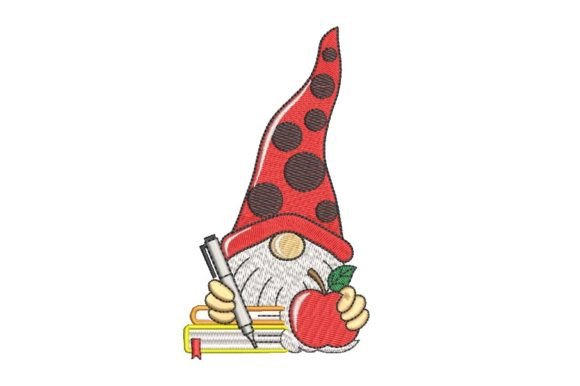
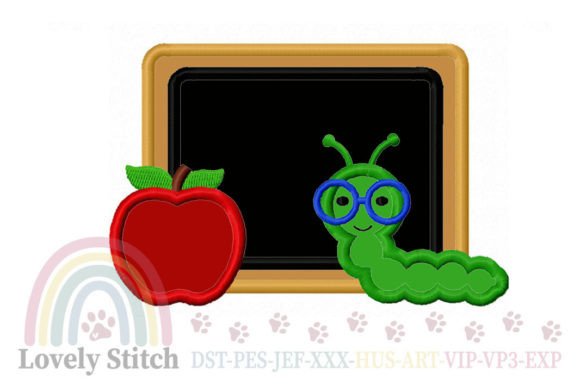
Unzipping the machine embroidery design file, I expected a typical school-themed apple. What I found was a thoughtful composition that pairs a classic red fruit with a studious little worm peeking over a book. The appliqué approach gives the apple body a smooth, fabric texture that stands out beautifully against woven backgrounds, while the embroidered details — spectacles, page lines, a tiny leaf — add just enough intricacy. It reads as cute without being cartoonish, and that balance is pure gold for a craft fair product. Shoppers scanning a booth from three feet away will see the bold apple silhouette first, then step closer to discover the worm, the glasses, and the title-worthy personality. That layered reveal drives engagement at a busy market table.
The design feels warm, approachable, and faintly nostalgic — a cross between a vintage classroom poster and a modern children’s book illustration. That emotional hook matters deeply when you are surrounded by dozens of other handmade booths. A design that sparks a memory or a smile holds a customer longer, and the longer they linger, the more likely they are to buy.
Where This Design Shines: Product Pairings
Over years of selling in handmade markets and Etsy shops, I’ve learned that a successful handmade product depends on marrying the right visual with the right surface. Bookworm Applique Embroidery is remarkably versatile. Here’s exactly where I’d place it for maximum return.
Tote Bags and Market Bags
A sturdy canvas tote becomes a walking advertisement for your work. I tested the design centered on a natural cotton tote. The apple measures roughly four inches across — large enough to dominate the front panel without overwhelming it. The appliqué fabric reduced stitch count compared to a fully filled design, which meant faster run times and less thread waste. For a tote bag design at a craft fair, speed and visual impact are everything. This checked both boxes. A book lover or a teacher will grab it immediately.
Aprons and Kitchen Towels
An apple fits naturally into food settings. On a half apron, stitched at the bib or near the hem, Bookworm Applique Embroidery turns a plain utility item into a personality piece. Tea towels offer an even wider canvas. A flour-sack towel with a simple hemmed border and this design placed in the lower corner or centered between stripes reads farmhouse-meets-schoolhouse. Shoppers hunting for hostess gifts or teacher appreciation presents will pause here. The key for apron embroidery is stability: I use a medium-weight cutaway stabilizer to prevent shifting because aprons get pulled and washed often.
Embroidered Patches and Small Pouches
Some of my best-selling impulse items are small zip pouches and iron-on patches. The design scales down gracefully, but caution is essential. For patches, I reduced the size to about 2.5 inches wide and carefully trimmed the appliqué fabric before the tack-down stitch. The worm’s glasses and tiny book details remained clear, but only because I increased thread tension slightly and used a fine 60-weight thread for the facial features. On a canvas pencil pouch, the design looked absolutely at home. If you make embroidered patch sets for back-to-school season, this one is a no-brainer.
Pillow Covers and Fabric Decor
A reading nook pillow with this design would stop a customer at any handmade home decor booth. I stitched it onto a linen-blend pillow cover, and the apple popped beautifully against the textured background. The appliqué gave the piece a tactile, quilted feel. When a customer touches a product, that moment often seals the sale. Pillows also let you use a larger hoop, so you can keep all the charming details without worrying about losing clarity. As a finished product for a craft fair, it looks far more expensive than the production time suggests.
Practical Production Notes for Repeating Success
As a small shop owner preparing inventory for a weekend market, repeatability matters as much as aesthetics. Bookworm Applique Embroidery stitched out consistently across a batch of eight items, but only after I established the correct workflow. Here’s what my production sheet says.
- Stabilizer choice: For woven substrates like canvas or linen, a no-show mesh stabilizer gave clean edges without adding stiffness. On stretchy items like a beanie or a knit pouch, a fusible knit stabilizer prevented rippling.
- Applique fabric prep: I pre-fused a lightweight interfacing to the back of my red cotton fabric before hooping. This stopped any fraying along the tack-down edge and made the final satin stitch border lie flat.
- Thread colors: I paired a deep candy-apple red polyester thread with a pale cream background for the pages, a rich brown for the worm, and tiny accents of gold for the glasses. You can tweak the palette to match a classroom theme — navy, hunter green, or even chalkboard black backgrounds work well.
- Hoop size: My test design needed a 5x7 hoop for the full-sized version. At smaller sizes a 4x4 frame handled it, though the book title text (if included in the digitized version) might become unreadable below 2 inches.
- Run time: Expect roughly 12 to 15 minutes per piece depending on your machine speed. That’s faster than a dense filled design, which means you can produce a dozen items in a focused afternoon session.
Before loading up for a craft fair, I always recommend testing the embroidery file on the exact fabric you plan to sell. The apple’s smooth appliqué surface means that heavily textured fabrics, such as a waffle-weave towel, can cause the satin stitches to sink unevenly. If you love that texture, add a water-soluble topper to keep the edges crisp.
Mastering Embroidery on Tricky Surfaces
No design is without its challenges. With Bookworm Applique Embroidery, the main areas to watch are the smallest elements: the worm’s glasses, the open book, and any lettering that may appear on the cover. On dark fabrics, the worm’s brown body might blend in, so consider changing the appliqué material to a bright green or teal for contrast. Dark fabric also eats light; a sample photo on a charcoal tote didn’t pop as well as on cream or blush backgrounds.
Curved cap surfaces demand extra care. I tested the design on a structured dad cap with a center-front placement. The appliqué puckered slightly because the adhesive couldn’t grip the curved seam. A curved presser foot and a careful basting step solved most of it, but I’d keep this design for flat or gently domed surfaces unless you have a cap-specific hoop and are confident with tricky placements. For patches and small pouches, avoid scaling below 2 inches if the design includes tiny text. Test stitch first on scrap fabric to verify that the stitch density in the book pages doesn’t create a stiff, bulletproof patch that won’t drape.
Photographing for Etsy and Online Listings
An eye-catching physical product still needs to sell the click online. I set up a quick lifestyle shot with a stack of children’s books, a vintage apple, and the finished tote propped against a wooden crate. The apple’s red fabric and the worm’s reading pose immediately told a story that needed no caption. When you photograph Bookworm Applique Embroidery for an Etsy seller listing, use natural light, show the product in use, and include a close-up of the stitching details. Buyers want to see the texture of the appliqué and the crispness of the satin border. A printable mockup can help if you’re selling the digital embroidery file itself; a well-lit flat lay with a ruler for scale gives instant credibility.
For craft fair booth shots, I’ll hang a finished apron at eye level and place a matching patch on a corkboard display. Customers see the coordinated set and often buy both. Visual repetition builds brand recognition, and this design is strong enough to anchor an entire back-to-school collection.
Deciding on a Booth Strategy and Pricing
Because the design stitches quickly and uses less thread than a fully filled piece, you can price it competitively while still making a healthy margin on a handmade product. A quilted pillow cover might sell for $28–$35 at a mid-range market; a tea towel with the design, $14–$18; a zip pouch, $12–$16. Items for teachers and book clubs tend to move fast in late July through September. I would absolutely build a small “reading corner” display at my booth, with a pillow, a tote, and a few patches all featuring the same design. A sign that says “Gifts for Your Favorite Bookworm” ties it all together.
Final Verdict: Is It Booth-Ready?
Bookworm Applique Embroidery earns its place in my production queue. It lands firmly in that sweet spot between playful and polished. The design captures a specific emotion — the joy of learning, the coziness of reading — that translates effortlessly into tangible products. From a studio perspective, it’s a kind design to stitch: the appliqé piece keeps the stitch count reasonable, the edge detail is forgiving on most fabrics, and the theme never really goes out of season. Teachers buy school-themed items year-round for classroom gifts and decor.
Before you fill your craft fair stall, do your due diligence. Confirm your file’s hoop size requirements, check the stitch count and color stops if provided, and always, always run a test on scrap fabric first. If you’re selling finished products made from this design, make sure the commercial embroidery license allows it; if you’re selling the digital file itself, verify the terms of use. Once those boxes are ticked, go ahead and stitch with confidence. This little bookworm will charm its way into shoppers’ hands, and that’s exactly what a profitable market weekend needs.