Smiling Scissors Embroidery Design: A Craft Fair Review
I have been designing and selling machine embroidery at weekend craft fairs for over a decade. When I first saw the Smiling Scissors machine embroidery design, I immediately started visualizing booth displays, product pairings, and the exact type of customer who would stop mid-stride and reach for a handmade item featuring this cheerful little motif. This is the kind of design that makes a craft fair table feel approachable, warm, and carefully curated.
First Impression: Playful Charm With Broad Appeal
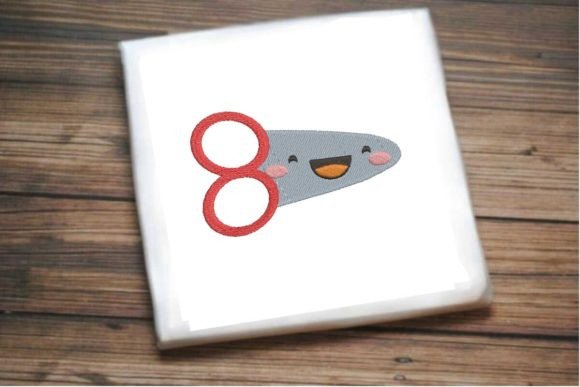
Right away, Smiling Scissors lands in that sweet spot between cute and classic. The concept is simple: a pair of scissors with a friendly face, clearly designed to evoke school days, creativity, and handmade warmth. It does not lean too childish, nor does it feel overly serious or rustic. The mood is cheerful and clean, which means it fits effortlessly into back-to-school displays, teacher appreciation gift sets, sewing room décor, and general stationery-themed handmade products.
From a booth display perspective, this design works because it reads instantly. A customer walking past a market table has roughly three seconds to connect with a product. A smiling pair of scissors is universally understood. No explanation needed. That instant recognition is pure gold when you are selling handmade items in a busy fair environment.
The description calls it a school supplies embroidery design, and I can already picture it stitched onto pencil pouches, fabric book covers, and small zipper bags that parents buy for their children or that teachers pick up as classroom gifts. But the potential runs deeper than just back-to-school season. This design fits sewing enthusiasts, craft room organizers, and anyone who loves a whimsical touch on everyday items.
What Kind of Craft Fair Products Shine With Smiling Scissors
One of the first things I evaluate in any embroidery file is versatility. A design that only works on one product type limits your booth inventory and your sales per customer. Smiling Scissors offers genuine flexibility. Here is where I see it performing best at a handmade market:
Tote Bags and Market Bags
A sturdy canvas tote with Smiling Scissors centered prominently becomes an instant conversation piece. Position it on the lower corner of a natural cotton market bag and it acts as a subtle signature detail. Shoppers at craft fairs love utility items that carry personality, and a tote bag embroidered with cheerful scissors appeals to teachers, crafters, and students alike. The design size needs to be large enough to remain visible when the bag is carried, so I would test it at a generous width on flat, medium-weight canvas.
Aprons and Kitchen Textiles
An apron with this design stitched near the chest or on a pocket corner feels playful without being overbearing. For tea towels and kitchen towels, Smiling Scissors works beautifully as a centered motif or as part of a repeating border. The key with textured towels is stabilizer choice and fabric preparation. Looped terry cloth can swallow small details, so I always test stitch density on a scrap before committing to a full production run.
Pouches, Pencil Cases, and Small Fabric Goods
This is where Smiling Scissors truly belongs. A simple cotton zipper pouch with this design becomes a bestseller at back-to-school season. Small fabric pouches are fast to produce, easy to batch, and price accessibly for impulse buyers. I would offer these in multiple fabric colors, letting the thread palette shift slightly to maintain contrast on each background. A smiling scissors motif on a pencil case signals creativity and organization, two things parents and teachers actively seek in school supplies.
Embroidered Patches and Iron-On Applications
If the stitch density and edge finishing allow, Smiling Scissors could make a charming standalone embroidered patch. Patches are huge sellers at craft fairs because they are affordable, easy to browse, and appeal to a wide age range. Kids love sticking them on backpacks. Adults add them to denim jackets or sewing kits. A patch version of this design would need clean outer edges and dense enough coverage to feel substantial in hand.
Pillow Covers and Home Décor
A throw pillow cover with Smiling Scissors embroidered in a corner could sit in a craft room, a child's reading nook, or a classroom library corner. Home décor items carry higher price points at craft fairs, and they give your booth visual height when displayed on shelves or stacked in baskets. The design's friendly face adds warmth without making the piece feel juvenile.
Caps and Curved Surfaces
Embroidery on caps requires extra testing. The curved surface and structured panels can distort a design if the digitizing does not account for the curve. Smiling Scissors, with its horizontal orientation and likely small facial details, needs careful placement on a cap front or side. I would test it on an unstructured dad hat first, where the surface is softer and more forgiving. A small version on the side panel could work nicely for a crafty, understated look.
Practical Production Notes From the Embroidery Studio
Before any design makes it into my craft fair inventory, I run a full production assessment. Here is what matters most with Smiling Scissors:
Stitch Density and Detail Clarity
The smiling face on the scissors likely includes small facial features, tiny curves for the eyes and mouth. These are the first areas to lose definition if the stitch density is too light or if the design is scaled down too far. I strongly recommend testing this embroidery file at multiple sizes on scrap fabric before committing to finished products. What looks crisp on screen can blur into an unreadable shape when stitched too small.
Dense stitch areas can also cause puckering on lightweight fabrics. If the scissors body has solid fill sections, I would use a cutaway stabilizer on knits and a tear-away on stable wovens. On thin cotton, a layer of water-soluble topping helps prevent stitches from sinking into the fabric texture.
Thread Colors and Contrast Choices
Scissors are typically metallic gray or silver, but a design called Smiling Scissors invites creative color play. I would test bright red handles with a silver blade, or pastel pink and mint for a softer aesthetic. The thread color combination you choose directly impacts the perceived value of the finished product. Bold contrasts photograph better for Etsy listings and catch more attention on a crowded craft fair table. Muted tones can work for a minimal or farmhouse look, but for this cheerful design, I lean toward vibrant, high-contrast palettes.
Fabric Considerations and Surface Texture
Textured towels, thick canvas, and napped fabrics all interact differently with embroidery. On plush towels, fine details in Smiling Scissors may lose clarity as stitches sink into the pile. A heavy water-soluble topper solves most of this issue. On dark fabrics, lighter thread colors pop beautifully, but dense stitching on black cotton can show puckering more obviously. I always test on the exact fabric I plan to sell, in the actual colorway, rather than assuming the stitchout will translate perfectly from one substrate to another.
Hoop Size and Placement Precision
I cannot stress enough how important it is to confirm the actual hoop size required for this embroidery design before planning your product lineup. The description does not specify dimensions, so measure the stitch file in your software and compare it to your machine's hoop capabilities. A design that requires a large hoop limits which products you can embroider efficiently. Conversely, a design that stitches well in a standard 4x4 hoop opens up endless small-batch possibilities for patches, pouches, and accent details.
How Smiling Scissors Performs in a Booth Display
When I set up a craft fair table, I think in terms of visual storytelling. Smiling Scissors anchors a narrative around creativity, learning, and handmade joy. I would group products featuring this design together, perhaps on a tiered display with coordinating fabric colors and complementary thread palettes. The smiling face draws people in. Once they are close enough to see the stitch quality, they start touching, asking questions, and reaching for their wallets.
This design also photographs well for social media and Etsy listings. A clean, centered embroidery on a flat-lay background reads clearly in thumbnail size. For online shops, a printable mockup showing the design on multiple product types helps buyers visualize how they might use the finished piece. Good photography paired with an approachable design like this one consistently drives higher engagement.
Customer Psychology and Buying Triggers
People buy handmade items because they want something personal, thoughtful, and unique. Smiling Scissors checks several emotional boxes. It feels nostalgic without being dated. It appeals to teachers, parents, crafters, students, and anyone who enjoys a lighthearted detail on a practical item. At a craft fair, where shoppers are already in a mindset of appreciating handmade quality, a design that makes them smile is halfway sold before they even check the price tag.
For Etsy sellers and small shop owners, this design fits neatly into seasonal collections, back-to-school launches, and everyday sewing-themed product lines. It also bundles well. A tote bag, a matching zipper pouch, and a coordinating key fob all featuring Smiling Scissors create a cohesive gift set that commands a higher total sale.
Batch Production and Repeatability
When preparing inventory for a busy craft fair weekend, repeatability matters. I need designs that stitch out consistently, without frequent thread breaks or registration issues. Smiling Scissors, assuming the digitizing quality is solid, should be straightforward to batch. The motif is self-contained, meaning you can hoop multiple items in sequence without complex alignment. For patches, I would run several on a single hooping of felt or twill, then cut and finish them individually.
Production speed also depends on stitch count. While the description does not include stitch numbers, a design of this nature likely falls in a manageable range for mid-volume production. I would time the first few stitchouts to calculate how many finished products I can realistically produce per hour, then plan inventory accordingly.
Commercial Considerations and Licensing
Before selling any finished product featuring Smiling Scissors, confirm that the embroidery file includes a commercial use license for handmade items. Most digital embroidery designs allow you to sell physical finished products, but always verify the terms. If the license restricts the number of items or requires attribution, factor that into your production planning. Treat the embroidery file as a design asset that contributes to your overall brand value, not just a one-time stitchout.
Careful-Use Notes Every Embroiderer Should Review
- Small facial features on the scissors can blur if scaled below the intended size. Test at multiple dimensions.
- Dense fill areas may require adjusted stabilizer or reduced tension to prevent puckering on lightweight fabrics.
- Curved cap surfaces demand precise placement and possibly a design variation for structured hats.
- Textured towels need a water-soluble topper to keep the design surface smooth and legible.
- Dark fabrics with light thread can expose slight gaps in coverage, so inspect stitchouts under bright light.
- Thread breaks in fine detail areas slow production. Run a full stitchout and note any trouble spots.
Final Verdict Before the Craft Fair Table
After evaluating Smiling Scissors from every angle that matters to a working embroidery designer, I would confidently add this design to my craft fair product lineup. It has the approachable charm that draws customers in, the versatility to live on multiple product types, and the clean readability that makes a booth display feel cohesive and professional. Whether stitched on a tote bag, an apron, a pencil pouch, or sold as an embroidered patch, this design earns its place on the table.
The real test, as always, happens on the fabric. Run a sample stitchout. Check the thread contrast. Confirm the hoop size. Make one finished product and place it where you can see it from across the room. If Smiling Scissors makes you smile from six feet away, trust that your customers will feel the same. That reaction, repeated across a weekend market, is exactly what builds a loyal handmade following.